
Lemon Bread Recipe that tastes like my favorite Starbucks treat, with a moist, pound-cake style crumb, big lemon flavor, and a simple lemon glaze.


author’s note
The Secret to That Starbucks Lemon Flavor
Remember when I finally shared my Starbucks Cranberry Bliss Bars? It was more than 10 years in the making, and I was SO excited to finally put that recipe out there. Seeing all your re-creations and reading the comments made it even better.
Another long-time Starbucks copycat on my wish list has always been their lemon iced loaf. I’m not a coffee drinker, but I will never say no to their treats, muffins, and quick breads. And that lemon bread? Absolute favorite.
After lots of testing, I finally landed on the perfect copycat. It’s sweet, bright, and has that thick, pound cake-style texture I’m completely obsessed with.
And here’s the secret. A generous splash of lemon extract. I know it sounds a little wild, but trust me on this. Two tablespoons. Yes, tablespoons. It gives the bread the perfect lemon flavor.

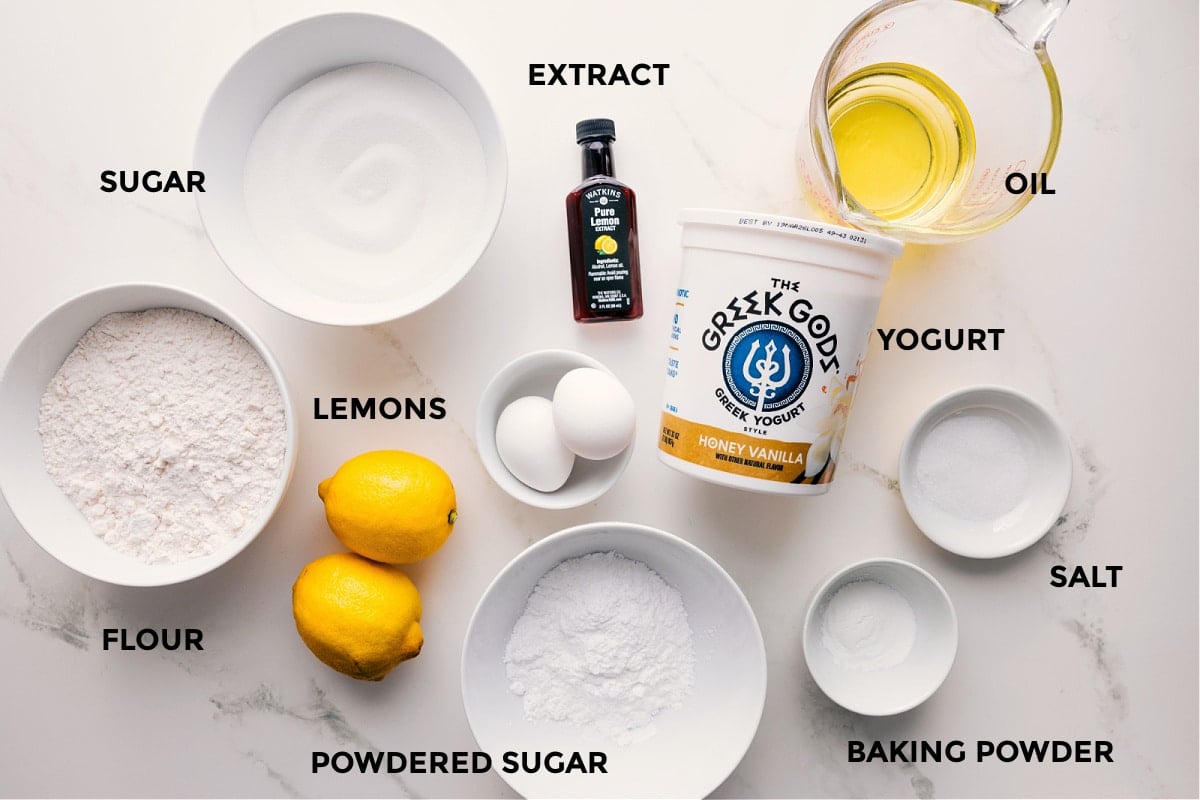
Ingredients In My Lemon Bread Recipe
| Ingredients | Helpful Tip |
|---|---|
| Lemon zest & lemon extract | Zest only the yellow outer layer since the white pith is bitter. The extract gives strong lemon flavor without changing the texture. |
| Greek yogurt | I’m obsessed with this honey vanilla Greek yogurt in this Lemon bread recipe; it adds such a nice flavor and moistness. |
| Eggs & oil | Room temperature ingredients help everything blend evenly and keeps the bread tender. |
| Flour, baking powder & salt | Whisk together well so the bread rises evenly and bakes up fluffy but dense. Make sure your baking powder is fresh! |
| Powdered sugar & lemon juice | Whisk slowly for a thick glaze that sets nicely on cooled bread. |
Chelsea’s Ingredient Tip
Lemon Extract
Lemon extract is a concentrated flavoring, similar to vanilla extract. It delivers a strong citrus flavor without changing the texture, which can happen if too much lemon juice is added. Be sure to use a pure extract like McCormick® or Watkins®.
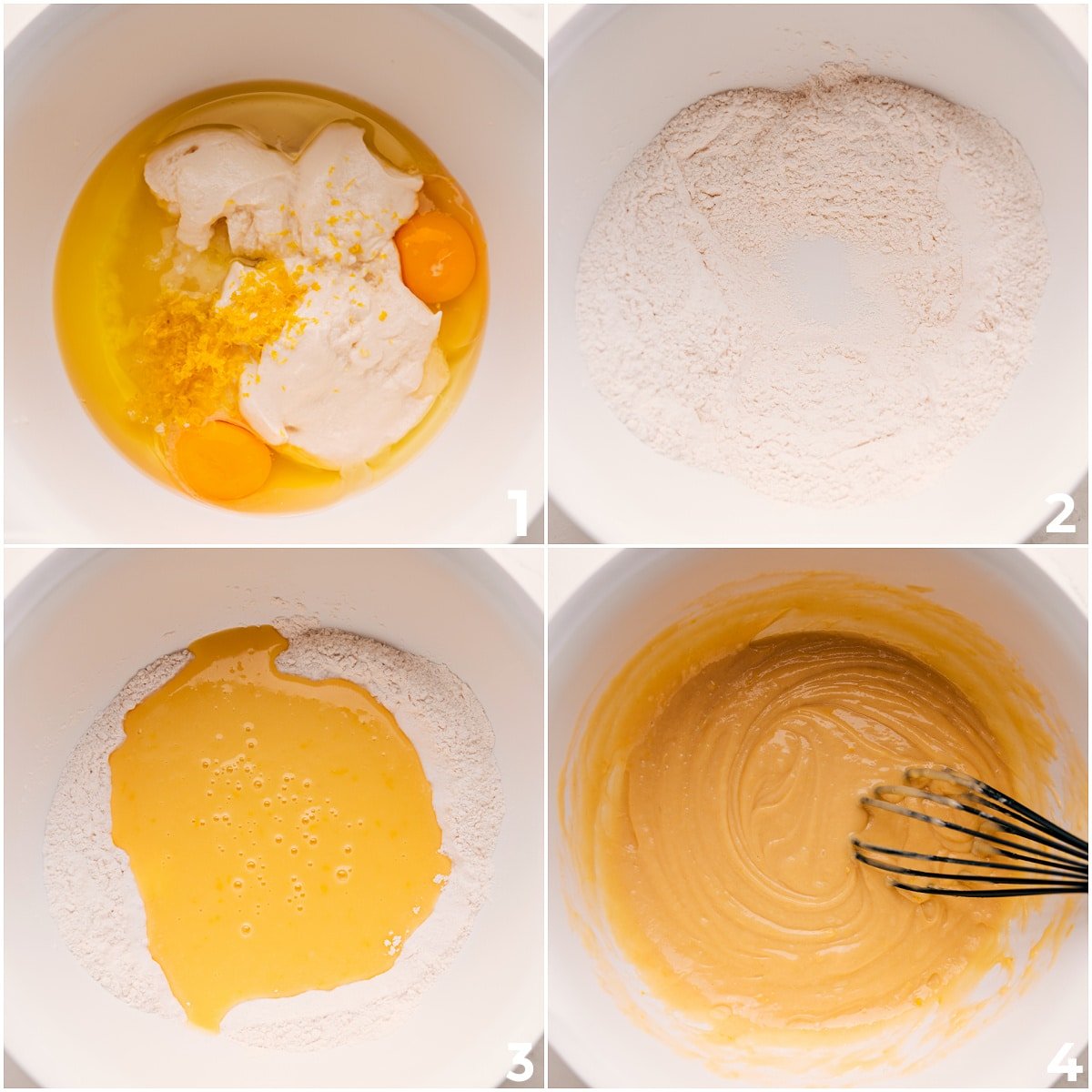
How To Make This Lemon Bread Recipe
- Prep: Bring wet ingredients to room temperature, preheat oven, and grease pan.
- Mix wet: Whisk wet ingredients until completely smooth.
- Mix dry: Whisk dry ingredients together in a separate bowl.
- Combine: Add wet to dry and gently mix just until a batter forms.
- Bake: Pour into pan and bake until a toothpick comes out with moist crumbs.
- Glaze: Whisk glaze until thick but pourable, then drizzle over cooled bread.
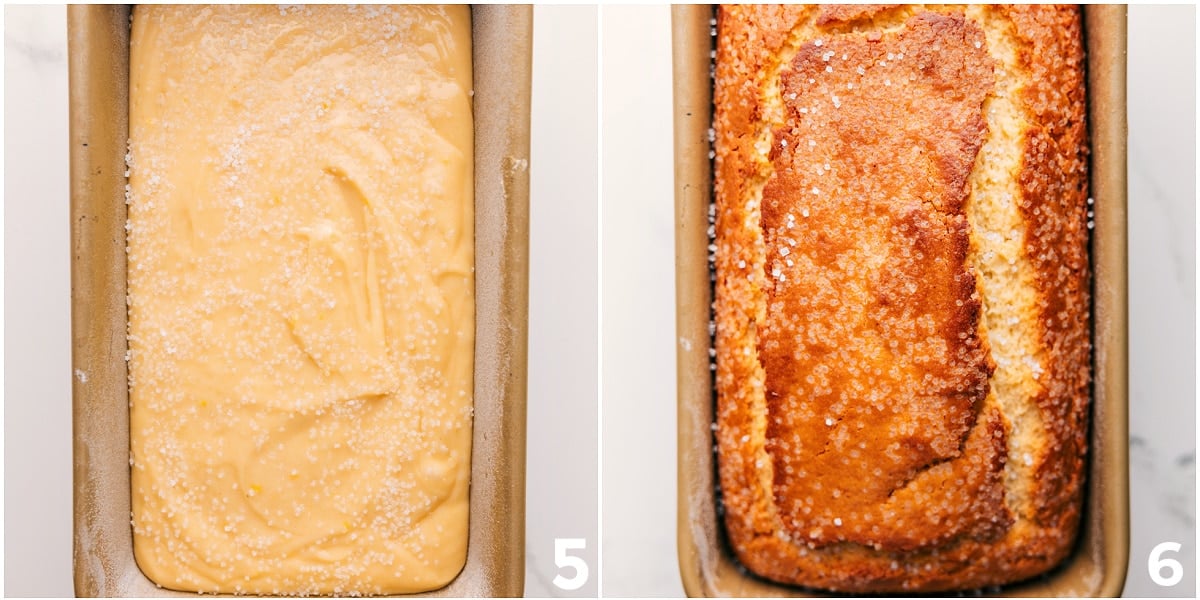
My Top Quick Bread Recipe Tips
- Stop mixing early: Mix just until just combined. Over-mixing will result in a denser loaf.
- Center rack bake: Bake in the center of the oven on the center rack for even heat/rise.
- Tent if needed: Near end of bake time, loosely cover with foil if the top is browning too quickly.
- Cool on a rack: Remove from pan so the bottom doesn’t get soggy from steam.
- Slice gently: Cool completely, then use a serrated knife with light pressure for clean slices.

Storage
How To Store Leftovers
- Room temp: Stays fresh for 1 to 3 days, then starts to dry out.
- Fridge: Wrap slices tightly and store in an airtight container for up to 1 week.
- Freezer: Slice unglazed bread and wrap each piece in plastic wrap. Place slices in a freezer bag, remove excess air, and freeze for up to 3 months.
Quick Tip
Number One Tip: Use the right size pan. This lemon bread recipe is intended for a 9×5-inch, 1-pound loaf pan. Other sizes will affect how it cooks. Here’s my favorite loaf pan.
More Favorite Lemon Recipes:
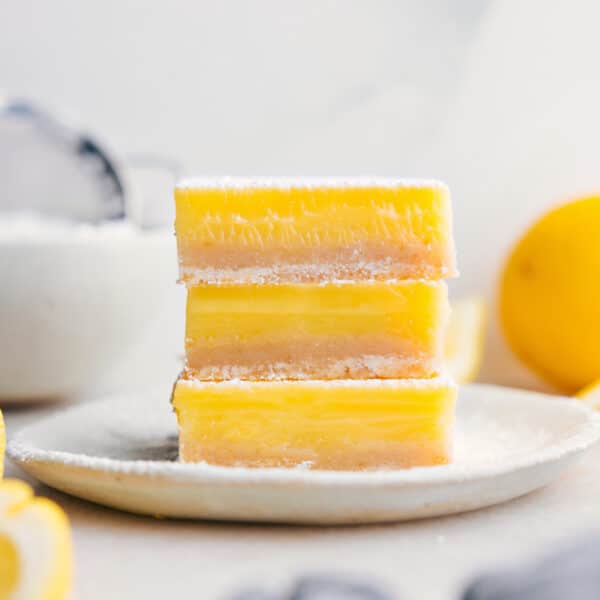
Desserts
The BEST Lemon Bars Recipe

Desserts
Lemon Curd Cookies

Desserts
Lemon Pie Recipe

Cookies
Lemon Poppy Seed Cookies

Lemon Bread Recipe
Equipment
- 9 x 5-inch bread pan see note 1
Ingredients
- 1/2 cup vegetable oil or canola oil
- 1 cup granulated sugar
- 1 cup Greek yogurt I love honey-vanilla flavored; at room temperature (sour cream works too)
- 2 large eggs at room temperature
- 2 large lemons including lemon juice for glaze; see note 2
- 2 tablespoons lemon extract see note 3
- 1-3/4 cups all-purpose flour
- 2 teaspoons baking powder
- 1 teaspoon salt
- 2 tablespoons extra-coarse sugar or extra granulated sugar
- 1/2 cup powdered sugar
Instructions
- It’s important that the wet ingredients are all at the same temperature (room temperature) for them to combine nicely. Remove from the fridge about 45 mins to an hour before using. Grease and lightly flour a 9×5-inch loaf pan. Preheat oven to 350°F.
- Add all the wet ingredients to a large bowl. Add 2 tablespoons lemon zest. Briskly whisk together until completely smooth.
- Add all the dry ingredients to a large bowl. Whisk together. Make a well in the center.
- Pour wet ingredients on top of the dry ingredients and briskly whisk until it forms a smooth batter. Do not over-mix.
- Pour and then smooth batter into prepared pan. Top with 2 tablespoons coarse sugar (just sprinkle on top; don’t press down). Bake for 60–75 minutes or until a toothpick inserted into the center comes out clean or with moist crumbs.
- Remove from oven and let cool in pan for 15 minutes before inverting onto a wire cooling rack. Let cool another hour before slicing. Don’t rush the cooling—the bread is still “baking.”
- Place powdered sugar in a small bowl. Add a tiny pinch of salt and slowly whisk in 1 tablespoon lemon juice until a glaze consistency forms. Transfer the glaze to a plastic bag and cut off the tip. Pipe the glaze over the completely cooled bread.
Recipe Notes
Nutrition
Nutrition information is automatically calculated, so should only be used as an approximation.
Lemon Bread Recipe FAQs
Lemon bread usually falls if the center is underbaked or the oven runs too cool. Overmixing, opening the oven door too early, or using expired baking powder can also cause it to rise and then collapse.
This lemon bread is meant to be dense, similar to a pound cake. The oil and yogurt create a rich, tight crumb, and the thicker batter helps the loaf bake up sturdy and moist. If it turns out overly dense, it’s usually due to expired baking powder, cold (instead of room temp) ingredients, overmixing, or packing too much flour into the measuring cup.
It’s done when the top looks set and lightly golden, the center does not jiggle, and a toothpick in the middle comes out clean or with a few moist crumbs. The top should spring back when lightly pressed.













This Lemon Bread is very tasty – just like a lemon pound cake with a delicious lemon glaze!
I’m so thrilled to hear this! Thanks so much Pamela!